"When are they biting" has two answers in Canada. The legal answer is the open season for your zone, which is fixed in the provincial summary. The practical answer depends on water temperature, light, and where fish are holding that week. The notes below describe general patterns; they do not set dates, and they do not replace the current regulation summary.
Walleye
Walleye are low-light feeders. Their eyes are adapted to dim conditions, so they often feed most freely under cloud, in stained water, and at dawn and dusk. In spring they concentrate near current and inflowing water; through summer they tend to slide toward deeper structure during bright midday hours. Open seasons for walleye are among the most zone-specific rules in provincial summaries, so confirm dates before keeping any.
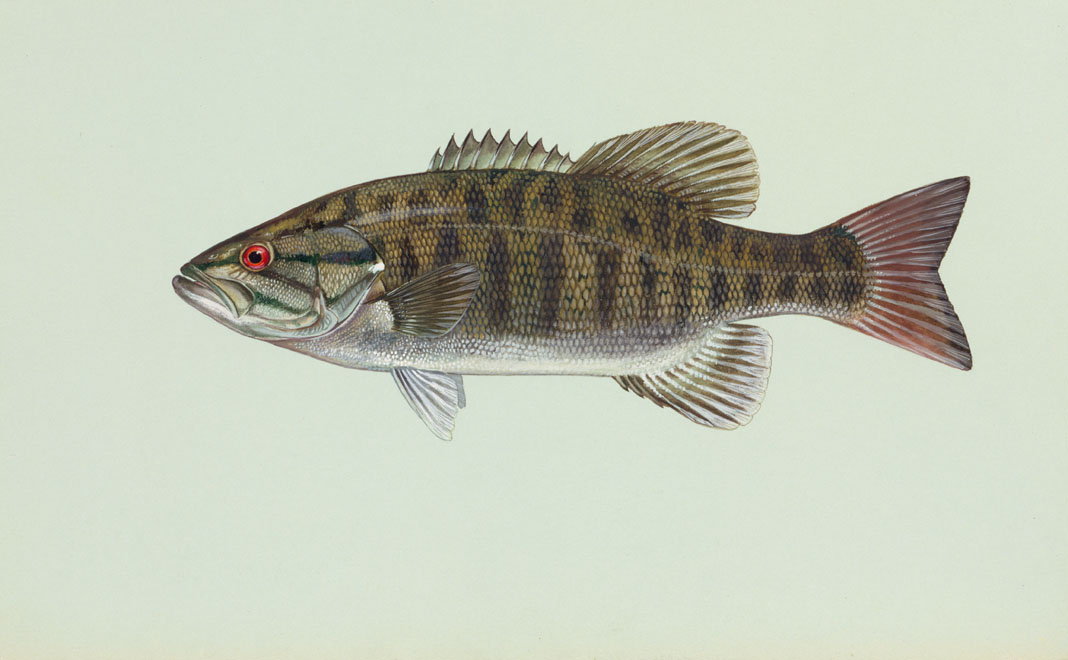
Smallmouth bass
Smallmouth relate strongly to hard bottom — rocky points, submerged boulders, and shoals. They become noticeably more active as water warms, and a warm, stable summer stretch is often the most consistent fishing of the year. They hold tighter to structure than walleye and will chase a moving presentation aggressively once the water is warm.
Northern pike
Pike are ambush predators. They sit along weed lines, bay mouths, and the edge between shallow and deep water, then strike outward. They remain catchable across a wide temperature range, which makes them a frequent target both in open water and during the hard-water season where ice fishing is permitted.
Temperature over calendar
Two lakes a few hundred kilometres apart can warm weeks apart. A calendar date is a rough guide; the water temperature on the day is the better signal for which species will be active and where they are holding.
Reading conditions on the day
- Light — overcast and low-light periods often extend feeding for low-light species like walleye.
- Wind — a light chop on a point or shoal can concentrate feeding bass and pike.
- Water clarity — clearer water tends to push fish deeper or to low-light windows; stained water can keep them shallow longer.
Before you go
Match your plan to the open season first, then to conditions. If the season is closed for your target in your zone, the rest of the plan does not matter — check the summary, then check the forecast.